 By Prabha Bhaskar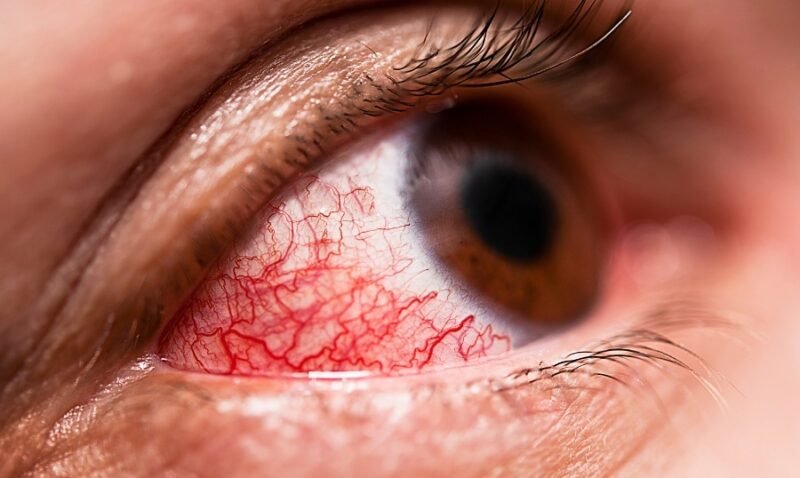
Conjunctivitis, commonly known as pink eye, is one of the most common eye infections affecting both children and adults. It causes redness, irritation, itching, and watering of the eyes. While mild cases may improve on their own, some infections require immediate medical attention and proper conjuctivitis treatment to prevent complications.
Understanding when to seek professional care is important for protecting your eye health. Trusted healthcare providers like Dr Agarwals Eye Hospital offer specialized diagnosis and treatment for different types of conjunctivitis and other eye conditions.
What Is Conjunctivitis?
Conjunctivitis occurs when the thin transparent layer covering the white part of the eye becomes inflamed. This condition may develop due to:
- Viral infections
- Bacterial infections
- Allergies
- Irritants like dust or smoke
Symptoms can vary depending on the cause, but early conjuctivitis treatment helps reduce discomfort and prevents the infection from spreading.
Common Symptoms of Conjunctivitis
The symptoms of conjunctivitis are usually easy to notice. Common signs include:
- Red or pink eyes
- Itching or burning sensation
- Excessive tearing
- Swollen eyelids
- Sticky discharge from the eyes
- Sensitivity to light
If these symptoms worsen or continue for several days, it is important to consult an eye specialist.
When Should You Visit a Doctor?
Not every case requires antibiotics, but some situations need professional medical care immediately. You should seek medical attention if:
- Eye redness becomes severe
- Vision becomes blurry
- You experience eye pain
- Thick yellow or green discharge appears
- Symptoms continue for more than a few days
- Both eyes become heavily infected
An experienced doctor can identify the exact cause and recommend the most effective conjuctivitis treatment for faster recovery.
Do You Always Need Antibiotics?
Many people assume antibiotics are necessary for every eye infection, but this is not always true. The treatment depends on the type of conjunctivitis.
Viral Conjunctivitis
This is the most common form and usually improves without antibiotics. Doctors may recommend:
- Cold compresses
- Artificial tears
- Proper eye hygiene
Allergic Conjunctivitis
This type occurs due to allergens such as pollen or dust. Treatment may include:
- Allergy medications
- Eye drops
- Avoiding allergens
Bacterial Conjunctivitis
Bacterial infections may require antibiotic eye drops or ointments. Proper conjuctivitis treatment helps reduce infection spread and speeds up healing.
Tips to Prevent Conjunctivitis
Maintaining good hygiene can lower the risk of eye infections. Follow these simple tips:
- Wash your hands regularly
- Avoid touching your eyes
- Do not share towels or makeup
- Clean contact lenses properly
- Stay away from infected individuals
Preventive care is one of the best ways to protect your eyes from infection.
Importance of Early Treatment
Ignoring symptoms can sometimes lead to worsening infection or complications. Timely conjuctivitis treatment can help reduce discomfort, improve recovery, and prevent the condition from spreading to others.
Hospitals like Dr Agarwals Eye Hospital provide expert eye care services using advanced diagnostic methods and experienced specialists for accurate treatment.
Conclusion
Conjunctivitis may appear minor at first, but proper care is important to avoid complications and discomfort. Understanding the symptoms and knowing when to visit a doctor can help you receive the right conjuctivitis treatment at the right time.
If you experience persistent redness, pain, blurry vision, or discharge, consulting an eye specialist is always the safest option for protecting your vision.
FAQs
1. What is the main cause of conjunctivitis?
Conjunctivitis can be caused by viral infections, bacterial infections, allergies, or irritants like smoke and dust.
2. Is conjunctivitis contagious?
Yes, viral and bacterial conjunctivitis can spread easily through contact with infected surfaces or hands.
3. Do all conjunctivitis cases need antibiotics?
No, antibiotics are mainly used for bacterial infections. Viral conjunctivitis often improves without them.
4. How long does conjunctivitis usually last?
Mild cases may improve within a few days, while some infections can take one to two weeks to heal completely.
5. When should I see an eye doctor for conjunctivitis?
You should seek medical care if symptoms worsen, vision becomes blurry, or severe pain and discharge occur.