 By Prabha Bhaskar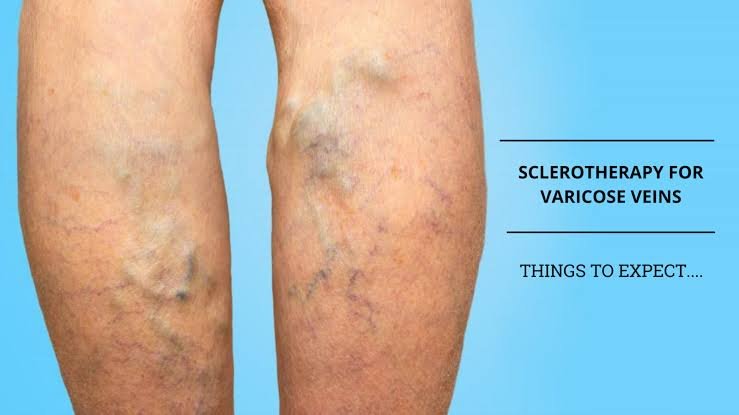
Sclerotherapy for varicose veins is a minimally invasive treatment that uses an injectable solution to close targeted veins and redirect blood flow to healthier veins. It may be suitable for people with certain small to medium-sized varicose or spider veins, but candidacy depends on the vein’s size, location, symptoms, and overall vascular health.
What Is Sclerotherapy for Varicose Veins?
Sclerotherapy involves injecting a specially selected solution into an affected vein. The solution irritates the inside of the vein, causing it to close gradually. Blood then flows through other healthier veins, while the treated vessel is eventually absorbed by the body.
The procedure is commonly used for spider veins and smaller varicose veins. In some cases, ultrasound-guided sclerotherapy may be used to treat veins that are not easily visible on the skin.
The right treatment depends on the underlying venous problem rather than appearance alone.
Who May Be an Ideal Candidate?
A person may be considered for sclerotherapy for varicose veins when the veins are causing cosmetic concerns, discomfort, or other symptoms and the affected veins are appropriate for injection treatment.
Potential candidates may include people who:
- Have visible spider or smaller varicose veins
- Experience aching, heaviness, burning, or discomfort associated with problematic veins
- Have veins that are suitable for injection-based treatment
- Are generally healthy enough for the procedure
- Have realistic expectations about the results
- Have been evaluated for underlying venous disease when necessary
A vascular specialist should determine whether sclerotherapy is appropriate after examining the veins and reviewing the patient’s symptoms.
Is Sclerotherapy Suitable for Every Varicose Vein?
No. The size and structure of the vein matter.
Very large or complex varicose veins may require a different treatment approach. If a larger underlying vein has significant reflux or valve dysfunction, treating only the visible surface veins may not address the primary cause.
In such cases, the doctor may recommend additional evaluation and consider treatments such as endovenous ablation or another procedure.
People With Symptomatic Varicose Veins
Varicose veins are not always just a cosmetic issue. Some people experience symptoms that interfere with daily activities.
These can include:
- Aching
- Leg heaviness
- Swelling
- Burning
- Itching
- Throbbing
- Discomfort after prolonged standing
When symptoms are linked to problematic veins, treatment may be considered after a vascular assessment.
People Seeking Cosmetic Improvement
Some patients seek sclerotherapy primarily because they are unhappy with the appearance of spider veins or smaller varicose veins.
Sclerotherapy can reduce the visibility of appropriately selected veins, but results vary.
Some treated veins may disappear gradually, while new veins can develop elsewhere over time. Multiple treatment sessions may also be necessary depending on the number and size of veins.
Why an Ultrasound Evaluation May Be Important
A visible vein on the skin may not be the only part of the problem.
Duplex ultrasound can help evaluate blood flow and identify venous reflux, obstruction, or other abnormalities. When symptoms are significant or the veins are larger, ultrasound may help determine whether the underlying venous circulation needs treatment.
This is particularly important before selecting a procedure for more extensive varicose veins.
Who May Not Be a Good Candidate?
Sclerotherapy is not appropriate for everyone.
Treatment may need to be delayed, modified, or avoided in certain situations, including some cases involving:
- Active infection at the injection site
- Certain blood-clotting conditions
- Significant uncontrolled medical problems
- Acute deep vein thrombosis
- Pregnancy, depending on the circumstances
- Severe arterial circulation problems
The suitability of treatment must be determined individually. Tell your doctor about your medications, allergies, previous blood clots, vascular conditions, and other relevant medical history.
What Happens During Sclerotherapy?
The procedure is usually performed in an outpatient setting.
The skin is cleaned before a fine needle is used to inject the treatment solution into the targeted vein. Ultrasound guidance may be used when treating veins that are deeper or difficult to see.
The procedure itself is generally relatively short, although the duration depends on the number and type of veins being treated.
Afterward, patients may receive instructions regarding walking, compression garments, skin care, and follow-up.
What Can You Expect After Treatment?
The treated vein does not usually disappear immediately.
It may initially look darker or more noticeable before gradually becoming less visible. Small veins can take several weeks or longer to fade, while larger veins may require more time.
Temporary effects can include mild discomfort, bruising, redness, itching, or small areas of swelling.
Following the aftercare instructions provided by your healthcare professional can support recovery.
Possible Risks and Side Effects
Like any medical procedure, sclerotherapy has potential risks.
Possible side effects include:
| Side Effect | General Description |
|---|---|
| Bruising | Temporary discoloration around injection sites |
| Redness | Mild irritation around treated areas |
| Swelling | Temporary local swelling |
| Itching | Can occur around treated veins |
| Skin discoloration | Darkening may occur in some patients |
| Small lumps | Can develop temporarily along treated veins |
| New small vessels | Tiny vessels may appear around treated areas |
| Blood clot | Uncommon but possible complication |
Serious complications are uncommon, but they can occur. Your healthcare professional should explain the risks relevant to your individual situation.
Expert Tip: Don’t choose sclerotherapy based only on how a varicose vein looks. If veins are accompanied by swelling, heaviness, skin changes, or recurrent discomfort, an evaluation of the underlying venous circulation can help determine whether injection treatment is actually addressing the source of the problem.
Sclerotherapy vs Other Varicose Vein Treatments
Different treatments are designed for different types of vein problems.
| Treatment | Common Use |
|---|---|
| Sclerotherapy | Spider veins and selected smaller varicose veins |
| Ultrasound-guided sclerotherapy | Deeper or less visible veins in selected patients |
| Endovenous thermal ablation | Selected larger veins with venous reflux |
| Surgical treatment | Certain complex or extensive vein problems |
| Compression therapy | Symptom management and selected venous conditions |
There is no single treatment that is ideal for every person. The anatomy and cause of the vein problem are important when choosing an approach.
How to Prepare for Your Consultation
Before undergoing treatment, provide your doctor with information about your symptoms and medical history.
It can be helpful to discuss:
- How long you have had the veins
- Whether they cause pain or swelling
- Whether symptoms worsen after standing
- Previous vein treatments
- History of blood clots
- Current medications
- Any allergies
- Pregnancy or plans for pregnancy
- Previous vascular tests
A detailed consultation can help determine whether sclerotherapy or another treatment is more appropriate.
When Should You See a Vascular Specialist?
Consider a vascular evaluation if varicose veins are painful, increasingly prominent, associated with swelling, or accompanied by skin changes or ulcers.
A vascular specialist such as Dr Sumit Kapadia can assess the veins, evaluate the underlying circulation when necessary, and discuss whether sclerotherapy or another treatment option may be appropriate.
Sudden leg swelling, severe pain, warmth, or redness should be medically evaluated promptly because these symptoms can have causes other than routine varicose veins.
Quick-Scan: Is Sclerotherapy Right for You?
| Consideration | What It Means |
|---|---|
| Vein size | Smaller veins are often more suitable |
| Symptoms | Pain, heaviness, or swelling may warrant evaluation |
| Vein anatomy | Determines whether injection treatment is appropriate |
| Underlying reflux | May require treatment of a larger vein first |
| Overall health | Medical conditions can affect candidacy |
| Expectations | Results develop gradually and may require multiple sessions |
| Assessment | A vascular examination may be necessary before treatment |
Potential Advantages
- Minimally invasive
- Usually performed without major surgery
- Can target selected veins directly
- Often involves relatively little downtime
- Can improve the appearance of treated veins
Important Considerations
- Not suitable for every type of varicose vein
- Multiple sessions may sometimes be required
- Results are not always permanent
- Temporary bruising and discoloration can occur
- Underlying venous disease may require another treatment
Frequently Asked Questions
1. Who is a good candidate for sclerotherapy for varicose veins?
A suitable candidate may have spider veins or smaller varicose veins that are appropriate for injection treatment and may be seeking symptom relief or cosmetic improvement. The doctor should assess vein size, blood flow, medical history, and any underlying venous disease before recommending the procedure.
2. Is sclerotherapy suitable for large varicose veins?
Sclerotherapy can be used for selected larger veins, particularly with ultrasound guidance, but it is not automatically the best option for every large varicose vein. Significant venous reflux or complex vein anatomy may require another treatment, such as endovenous ablation, depending on the evaluation.
3. How long does it take for veins to disappear after sclerotherapy?
Treated veins generally fade gradually rather than disappearing immediately. Smaller veins may improve over several weeks, while larger veins can take longer. Some patients may need more than one treatment session. The final response varies depending on the size and type of veins treated.
4. Can varicose veins come back after sclerotherapy?
Yes. Sclerotherapy closes the veins that are treated, but it cannot prevent new varicose or spider veins from developing elsewhere. Recurrence or new veins may be influenced by factors such as venous reflux, genetics, age, pregnancy, and other individual risk factors.