 By Prabha Bhaskar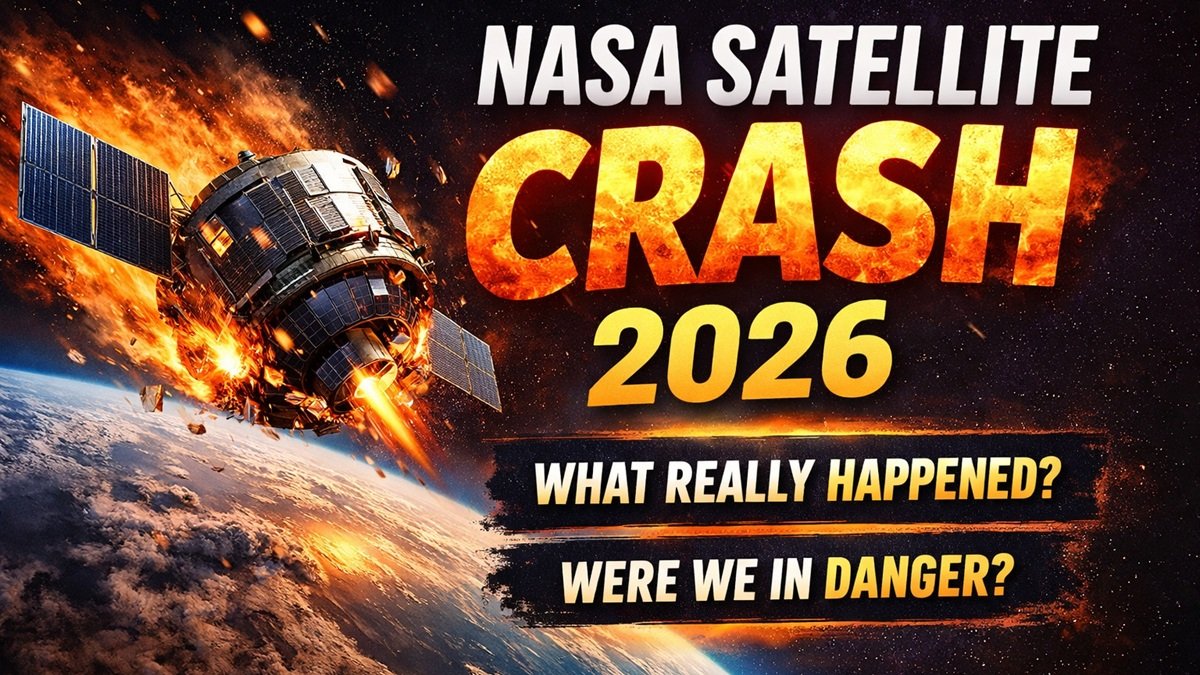
On March 11, 2026, a NASA satellite called Van Allen Probe A re-entered Earth’s atmosphere. For most people, the headline alone was enough to spark concern. A satellite crashing to Earth sounds alarming—but the full story is far less dramatic than you might think.
The satellite re-entered Earth’s atmosphere over a remote area, and most of it burned up before reaching the ground. NASA confirmed that no injuries or property damage occurred.
Let’s break it down.
What Happened to the NASA Satellite in 2026?
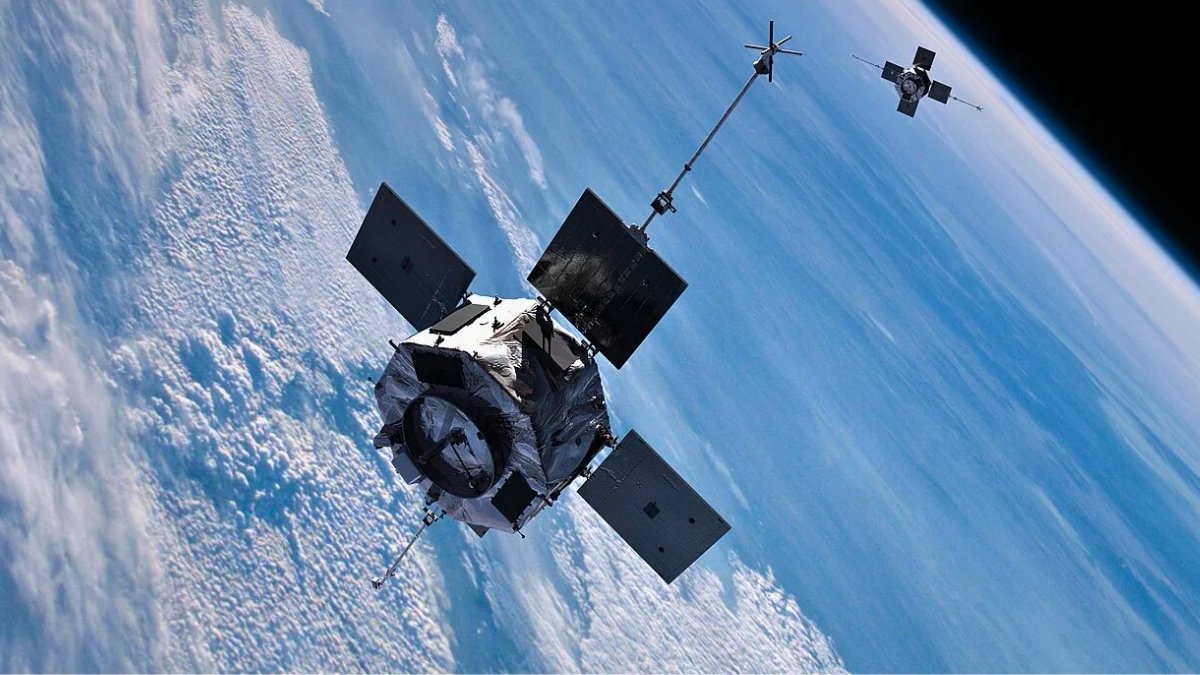
Van Allen Probe A was a spacecraft the size of a small car. After orbiting Earth for over a decade, it ran out of fuel and slowly drifted closer to our planet. Eventually, gravity won.
The satellite re-entered Earth’s atmosphere over a remote area. Most of it burned up on the way down. A small number of fragments may have reached the surface, but no injuries or property damage were reported.
This kind of re-entry is more common than most people realize.
A Quick Look at the Mission
NASA launched Van Allen Probe A back in August 2012. It was part of a two-spacecraft mission designed to study the Van Allen radiation belts—two large rings of charged particles that surround Earth.
You might be wondering: why does that matter?
These radiation belts can damage satellites, disrupt GPS signals, and even pose risks to astronauts. Understanding them helps scientists protect future missions and technology we rely on every day.
Over its 13-year lifespan, the probe delivered. It sent back data that changed how scientists understand space weather. It revealed that the radiation belts are far more dynamic than previously thought—expanding, shrinking, and sometimes merging in ways nobody expected.
By any measure, Van Allen Probe A was a success.
Was Anyone in Danger from the NASA Satellite Crash?
This is usually the first question people ask when they hear “NASA satellite crashes.”
The short answer: no.
NASA calculated the odds of the falling debris striking a person at roughly 1 in 4,200. That sounds concerning until you put it in context. The odds of being struck by lightning in your lifetime are around 1 in 15,000—and most of us don’t spend much time worrying about that.
Here’s why the risk stays so low. As a satellite falls through the atmosphere, it encounters intense heat and friction. Most of the structure burns up completely before it can reach the ground. Only the densest, most heat-resistant parts—like titanium components—stand any chance of surviving the journey.
Even then, roughly 70% of Earth’s surface is ocean. Much of the rest is uninhabited land. The chances of debris landing near people are extremely small.
The good news is that NASA tracks re-entries closely and can warn authorities if a high-risk landing zone appears likely. In this case, no such warning was needed.
Why NASA Lets Old Satellites Fall
You might expect NASA to retrieve old satellites or steer them somewhere safe. So why let one fall?
The answer comes down to physics—and practicality.
Van Allen Probe A operated in a region called medium Earth orbit, sitting thousands of miles above the planet. Boosting it higher into a stable “graveyard orbit” would have required more fuel than the spacecraft carried. Bringing it back in a controlled way presented similar challenges.
So NASA did what engineers call “orbital decay.” They let the satellite slowly lose altitude over many years until the atmosphere pulled it in naturally.
This is actually the cleaner option. Leaving dead satellites in busy orbital lanes creates a long-term hazard. They can collide with active spacecraft and generate clouds of debris—a problem known as Kessler Syndrome. Removing them, even through re-entry, helps keep space usable for future missions.
Think of it as clearing the road after a construction project is finished.
The Growing Challenge of Space Junk
Van Allen Probe A’s re-entry highlights a real and growing issue. There are currently thousands of defunct satellites, rocket stages, and fragments orbiting Earth. As more countries and private companies launch missions, the problem compounds.
NASA and other space agencies are developing guidelines to manage this. One key rule: new satellites in low Earth orbit should re-enter within 25 years of the end of their mission. Designing for disposal is becoming a standard part of spacecraft engineering.
It’s not a perfect system yet—but awareness is growing.
FAQs: Common Questions About the NASA Satellite Crash
1. Can I see the satellite falling from my house?
Likely not. Most re-entries happen over remote oceans like the South Pacific. Unless you are on a ship in that specific area, it would just look like a very bright, fast-moving streak in the sky, similar to a meteor.
2. Will this crash affect my GPS or phone signal?
No. The satellite was already retired and out of fuel. Its re-entry does not disrupt any modern communication or navigation systems on Earth.
3. Is the debris toxic or radioactive?
No. NASA’s Van Allen Probes were not powered by nuclear sources. The small fragments that might survive are mostly pieces of metal like titanium or aluminum, which pose no chemical threat to the ocean.
4. How often do NASA satellites crash like this?
It happens more often than you think! Small pieces of space debris enter the atmosphere almost every day. Larger satellites like this one re-enter a few times a year, and NASA tracks them very closely to ensure safety.
The End of a Remarkable Journey
Van Allen Probe A spent 13 years doing exactly what it was built to do. It helped scientists understand one of the most complex regions near our planet. The data it collected is still being studied today.
Its fiery return to Earth was not a failure. It was the final chapter of a mission that exceeded expectations—and a reminder that even the end of a spacecraft’s life can be managed thoughtfully.
The next time you hear about a NASA satellite re-entering the atmosphere, you’ll know: this is science working as intended.
Read Also: When Is Daylight Savings 2026? Time Change on March 8 and Spring Forward